


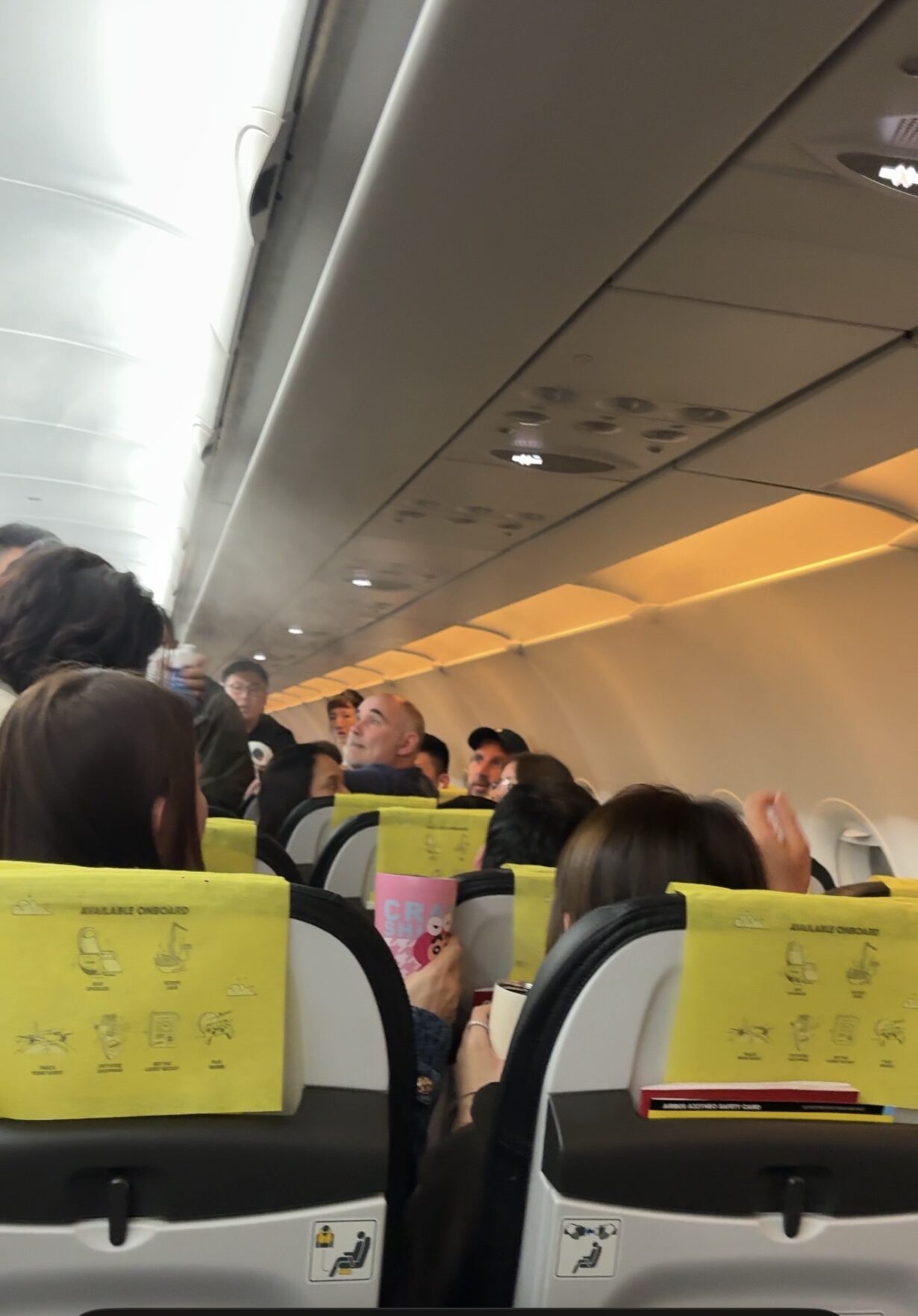
13 powerbank fires happened on Singapore flights last year. 30% jump from 2023 according to SCDF data. Never thought I’d actually witness one until Nov 22 when one exploded right infront of me on Scoot TR939 from Hong Kong.
So this is about 1 hour before landing at Changi. I’m sitting there, probably checking my phone. Suddenly see this bright flash of light. Then flames shooting up from a seat 4 rows ahead.
Everyone around me starts panicking.
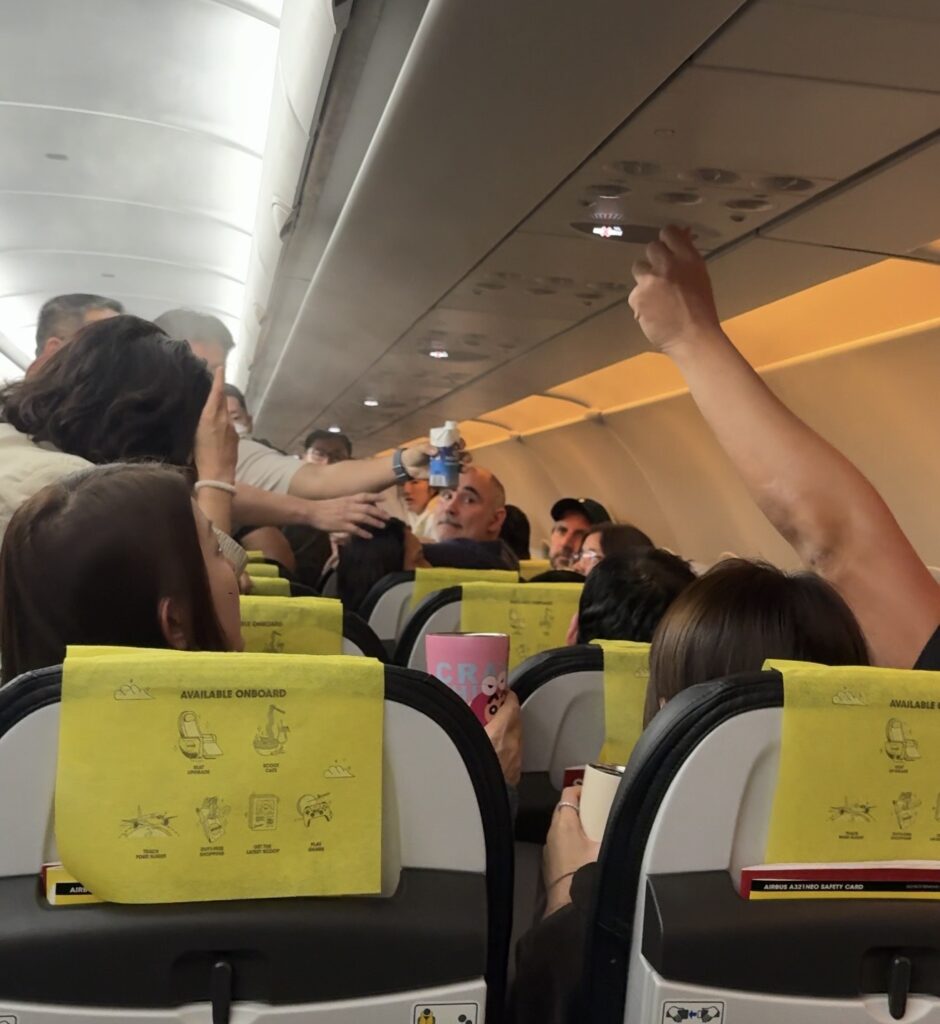
What Happened – Quick Facts
- When: Nov 22, 2025, around 7:25pm Singapore time
- Flight: Scoot TR939 (A321neo)
- Route: Hong Kong to Singapore Changi T1
- What: Powerbank in laptop bag caught fire mid-flight
- Where on plane: Economy cabin, 4 rows infront of me
- Anyone hurt: Nope, all safe
- Landing: 9:06pm (40 mins late)
- What happened after: Firefighters boarded, police at gate, witnesses had to give statements
Source: Scoot Airlines statement, personal experience
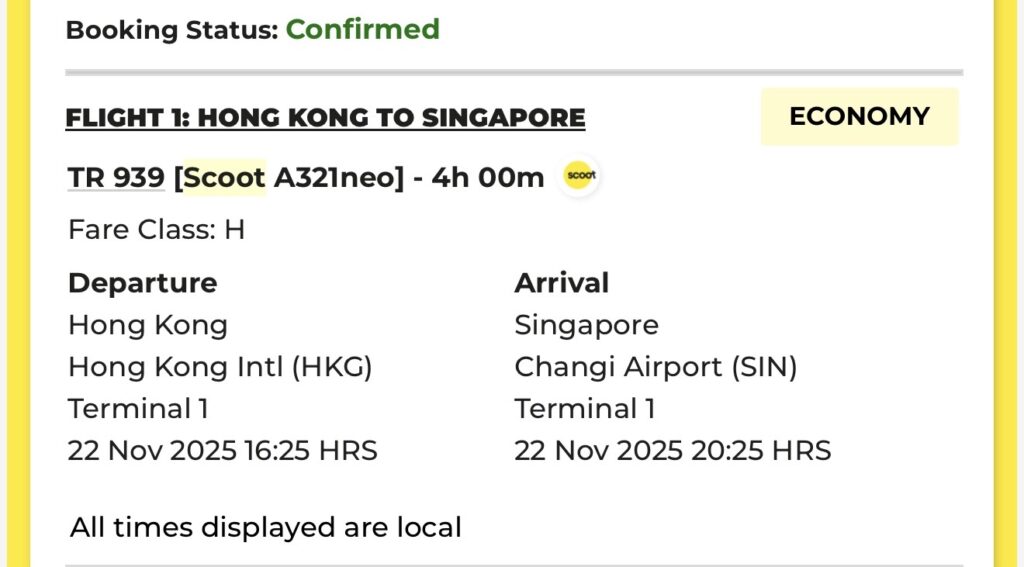
What I Saw When It Caught Fire
So we’re about 1 hour from landing. I’m thinking ok another 45 mins and I’ll be home. Then suddenly – flash of light.
Fire. Actual flames coming from the seat.
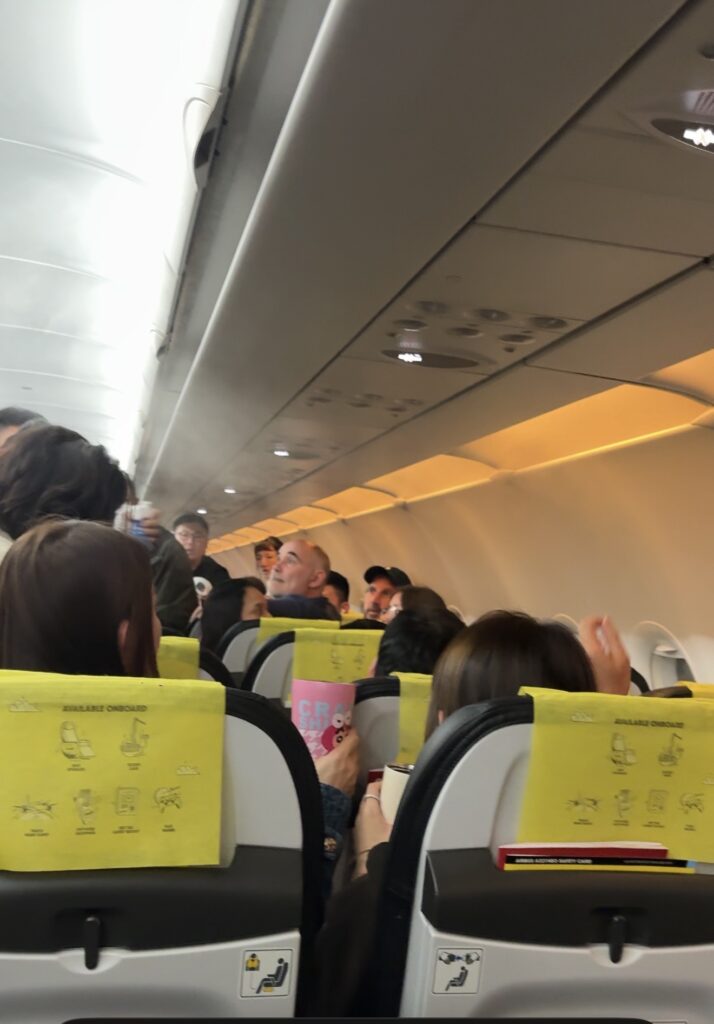
Within like 5 seconds, smoke starts filling the cabin. That chemical burning smell hits you immediately. You know that plastic burning smell? Yeah that one. Makes your throat feel weird.
People around me start standing up even though seatbelt sign still on. Everyone asking “what’s happening??” Some people actually freaking out, lah. Can’t blame them – we’re at 30,000 feet and there’s fire on the plane.
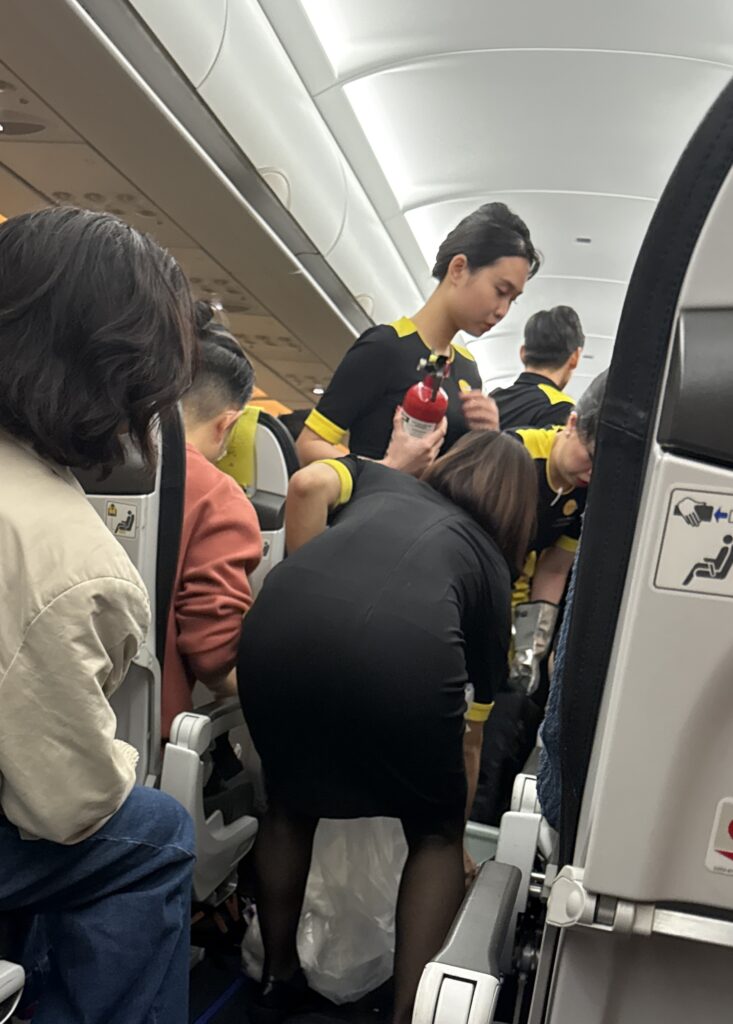
The passenger sitting in that row moves away fast. I see flight attendants rush down with gloves and fire extinguisher. They don’t waste time – grab the black laptop bag where the powerbank is and drag it straight to the toilet.
Another crew member brings water bucket. According to people sitting closer, they basically dunked the whole bag in water to cool it down. Smart move because lithium fires can restart.
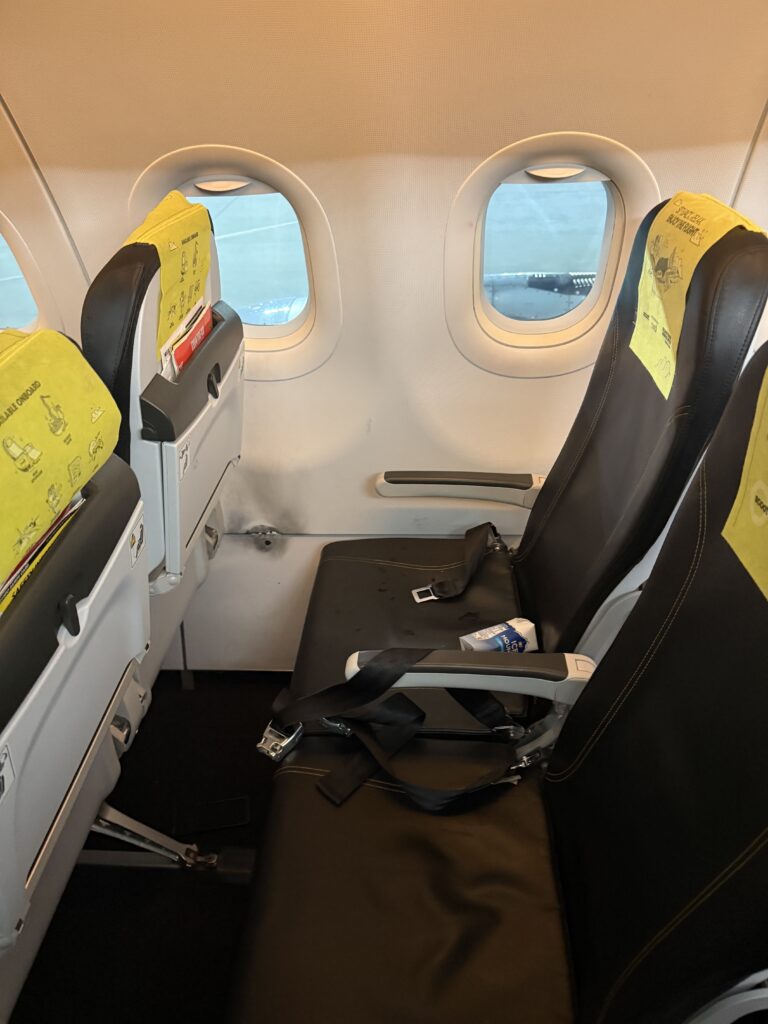
The crew kept making announcements – “stay seated, don’t take photos.” That’s wehn I knew this was serious. You could see burn marks on the cabin wall near the window seat. Means the bag was probably under the seat when it overheated.
That chemical smell? Stayed in the air for the rest of the flight. Even with ventilation running couldn’t escape it.
Landing at Changi – Not Your Normal Arrival
We touch down at 9:06pm. 41 minutes late. But landing wasn’t the end of it.
Captain comes on: “Stay seated. Don’t get up. Waiting for ground services clearance.”
Look out the window – see them. Firefighters in full gear on the tarmac. SCDF responded immediately like they always do. Once doors open, 3 firefighters board with equipment to check everything. Make sure the battery fully dead and won’t restart.
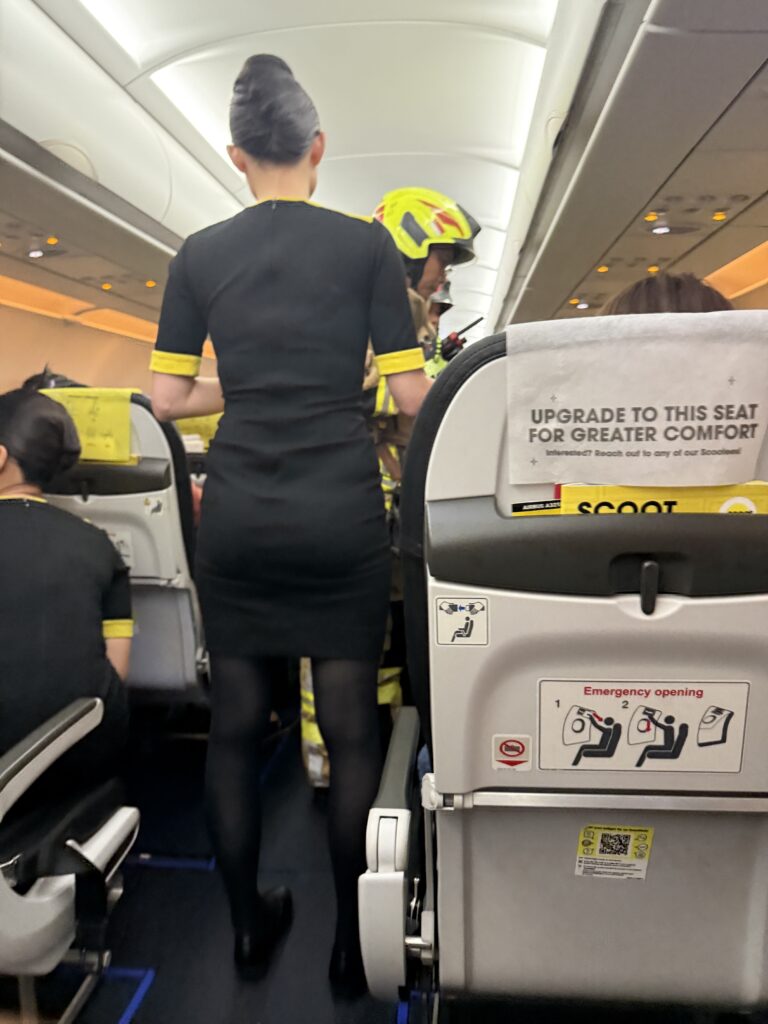
After about 15 mins, most people can leave. But not us. Anyone sitting 1-2 rows from the fire had to stay back. Police waiting at the gate. Had to give statements about what we saw.
Whole process took another 45 mins. By the time I cleared immigration and got luggage, almost 11pm. What should’ve been a simple 4 hour flight turned into 6 hour ordeal.
Why Powerbanks Explode (The Science Part)
So after this I had to understand – why do powerbanks catch fire?
Basically it’s called “thermal runaway.” Sounds fancy but just means the battery gets super hot, then can’t stop getting hotter, then boom – fire.
According to FAA research, lithium batteries can short circuit when damaged or poorly made. When that happens, temperature spikes to over 300 degrees in seconds. That’s crazy hot.
At that temp, battery structure fails. Releases molten stuff, flames, toxic smoke – exactly what I saw on TR939. The smoke has hydrogen fluoride and other dangerous chemicals that mess up your lungs.
Why Planes Make It Worse
Planes create perfect conditions for battery problems:
- Pressure changes during takeoff and landing stress the battery
- Temperature swings in overhead bins
- Bags getting compressed and jostled
- People charging devices continuously during flight keeps batteries warm
- Cheap counterfeit powerbanks with no safety circuits
FAA tracks every lithium fire on planes. In 2024 there were 3 incidents every 2 weeks globally. That’s double from 2019. Getting worse not better.
Source: FAA Lithium Battery Safety Report, Aug 2025
Recent Powerbank Fires – Singapore and Asia
TR939 wasn’t the only one. Here’s recent incidents:
| Date | Flight | Route | What Happened |
|---|---|---|---|
| Nov 22, 2025 | Scoot TR939 | HK → SG | Fire extinguished by crew, no injuries |
| Jan 10, 2023 | Scoot TR993 | Taipei → SG | 2 people got minor burns |
| Jan 28, 2025 | Air Busan | Korea (on ground) | 27 injured, 3 serious from overhead bin fire |
| Aug 6, 2025 | KLM | Over Atlantic | Toxic smoke filled cabin |
Sources: Straits Times, CNA, CNN aviation reports
The Air Busan one was bad. Powerbank in overhead compartment caught fire while plane still on ground. 27 passengers injured, 3 needed hospitalization for smoke inhalation. That single incident made South Korea ban powerbanks in overhead bins completely.
Singapore took notice. That’s why we got new rules in 2025.
Singapore Powerbank Rules You Need to Know
If you’re flying from Changi, here’s what CAAS requires. Not suggestions – actual rules that they enforce:
| Rule | Details | What Happens If You Don’t |
|---|---|---|
| Cabin only | Must be in carry-on, never checked bag | Bag may get offloaded |
| Max 2 per person | Can’t bring more than 2 | Extra ones confiscated |
| Capacity limits | Under 100Wh ok 100-160Wh need approval Above 160Wh banned | Non-compliant ones taken away |
| Must protect terminals | Tape ports or use plastic bag | Security makes you repack |
| No charging during flight | SIA/Scoot from April 2025 | Crew tells you to stop |
Source: CAAS Pack It Right regulations, updated March 2025
How to Check Your Powerbank Wh
Most powerbanks show mAh not Wh. Here’s how to convert:
Formula: (mAh × 3.7) ÷ 1000 = Wh
Examples:
- 20,000mAh = 74Wh → Safe to bring
- 30,000mAh = 111Wh → Need airline approval first
- 50,000mAh = 185Wh → Cannot bring, banned completely
If your powerbank doesn’t show Wh or voltage anywhere? Probably cheap China one with no proper testing. Don’t risk it.
New SIA/Scoot Ban – No More Charging During Flights
Since April 1, 2025, SIA and Scoot banned using powerbanks to charge devices during flights. You also can’t charge your powerbank using the plane’s USB ports.
What this means:
- ✅ Can bring powerbank in carry-on
- ✅ Can keep it in your bag or seat pocket
- ❌ Cannot use it to charge phone/laptop during flight
- ❌ Cannot plug it into seat USB to charge it
- ❌ Applies even on long flights to Europe/US
Yeah it’s inconvenient. I used to rely on powerbank during long flights for work. But after seeing that fire? I get why they’re extra cautious now.
Better arrive with dead phone than deal with fire at 30,000 feet, you know?
Source: SIA and Scoot statement, CNA, March 11 2025
How to Travel Safe with Powerbanks
Based on what I saw and expert advice from CAAS, here’s what you should do:
Before Your Flight
- Buy quality brands only. Anker, Xiaomi, Samsung, Energizer. Don’t buy $15 no-brand ones from random online shops. Quality brands have proper safety circuits.
- Check the Wh rating. Should be printed on the powerbank. If only shows mAh, calculate it. Make sure under 100Wh.
- Check for damage. Don’t fly with powerbanks that are dented, swollen, or have damaged ports. Swelling especially means battery is failing.
- Tape the terminals. Use electrical tape to cover all ports. Prevents short circuit if it touches keys or coins.
During Flight
- Keep it accessible. In seat pocket or personal bag under seat – not overhead bin. If it starts getting hot you’ll notice fast.
- Don’t charge anything. On SIA/Scoot it’s banned anyway. On other airlines, still better to avoid.
- Touch it occasionally. Make sure not getting weirdly warm. If it feels hot, smells funny, or looks swollen, tell crew immediately.
- Don’t leave it charging while you sleep. If you use powerbank (on airlines that allow), unplug once device charged.
Warning Signs – Don’t Bring These On Planes
- Swollen or bulging case
- Hot when not being used
- Strange chemical smell
- Damaged ports or casing
- Any leaking fluid
- Hissing or popping sounds
- Doesn’t hold charge properly anymore
Source: SCDF Lithium Battery Safety Guidelines, CAAS advisories
What to Do If You See Fire On Your Flight
From my experience on TR939, here’s exactly what to do:
- Alert crew immediately. Press call button or shout for flight attendant. Don’t try to handle it yourself.
- Move away if you can. If you’re in same row or next to it, move to another seat if safe and crew says ok.
- Cover your nose and mouth. Lithium smoke is toxic. Use your shirt, jacket, or airplane blanket.
- Follow crew instructions exactly. They’re trained for this. When they say stay seated, stay seated. When they say no photos, no photos.
- Stay calm. Panic spreads faster than fire. Your calm helps other passengers.
- Don’t grab overhead luggage. Even after fire is out, don’t stand up until crew gives clearance. Fire can restart.
- Expect to give statement. If you were close to it, police will want to talk to you after landing.
Scoot crew on my flight handled everything well. Fire out within 3 minutes, prevented it from spreading. Their fast response probably saved us from much worse situation.
What I Do Differently Now
Look, I’m a tech guy. Travel alot between Singapore, HK, Taiwan, Japan for work. Used to carry 3 powerbanks – one in backpack, one in pocket, one backup.
After this incident? Changed everything.
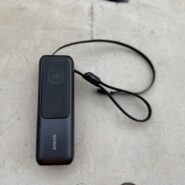
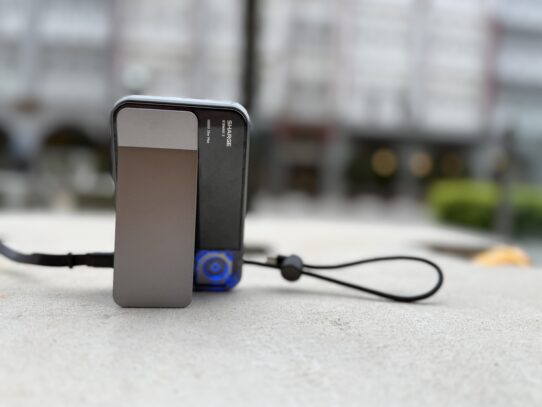
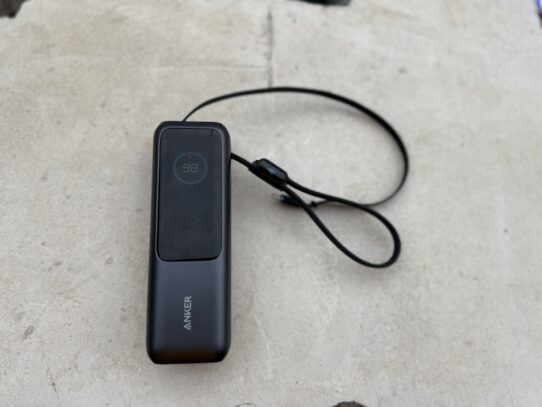
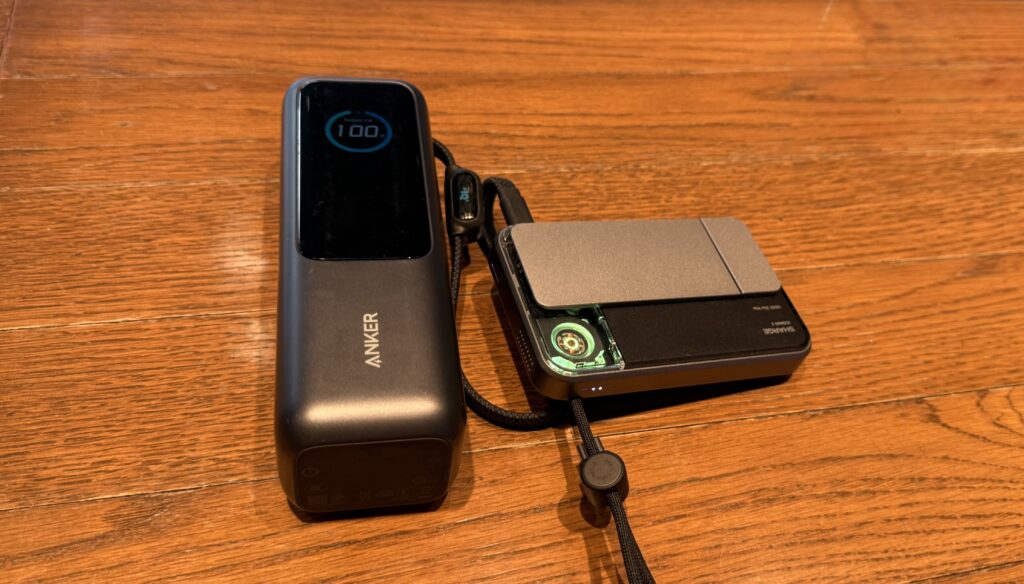
Only bring 1 quality powerbank now. Got an Anker 20,000mAh for $65. Has proper capacity label (74Wh), USB-C PD, multiple safety certs. Yeah costs more than $15 random brand but after what I saw, worth it.
Charge everything 100% before flights. Phone, laptop, earbuds, watch – all to full before leaving for airport. Then ration battery during flight. Low power mode, downloaded content instead of streaming. Accept I might not work entire journey.
Tape it and keep it visible. Electrical tape over all ports, keep in clear ziplock, store in backpack external pocket where I can monitor it. No more tossing it loose with keys and cables.
Checked my family’s powerbanks too. Parents and siblings all travel frequently. Checked all their units, verified capacity, replaced dodgy ones, taught them CAAS rules. Better safe than sorry, lah.
Final Thoughts for Singapore Travelers
That hour before landing, watching smoke fill the cabin while trapped at cruising altitude, genuinely scared me. The smell, the panic, not knowing if it’ll get worse – that stays with you.
For everyone flying from Changi – whether going Bangkok for weekend, HK for business, or London for holiday – take these rules seriously. CAAS regulations exist because of incidents like mine. Not red tape, actual safety measures from real fire data.
Before your next flight:
- Check your powerbank is under 100Wh
- Look for damage, swelling, weird warmth
- Tape over terminals
- Carry-on only, never checked
- Keep accessible during flight
- Accept you can’t use it on SIA/Scoot
Less convenient than before? Yeah. But having lived through powerbank fire at 30,000 feet, I can say: your safety worth way more than few percent battery life.
Check your powerbank right now. If there’s any doubt about quality or condition, replace it before next flight. Life you save might be your own. Or mine if we’re on same plane.
Stay safe up there.